
Introduction
In global geopolitics, the most important decisions are rarely made in public. Behind every official press briefing or televised statement lies a complex web of intelligence reports, strategic discussions, diplomatic communications, and military planning.
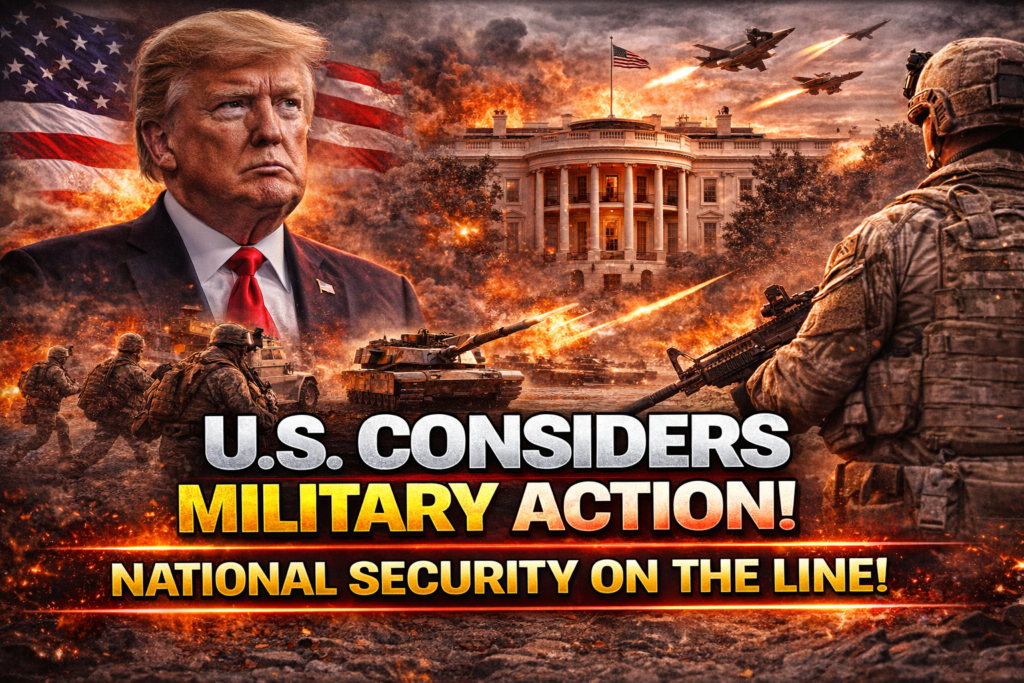
A recent press briefing from the White House, reported by Al Arabiya, provided a glimpse into one such critical moment. The briefing suggested that senior officials in Washington were carefully evaluating a potential threat to U.S. interests and considering the range of responses available—from diplomatic pressure to the possibility of military action.
While the statements were cautious and measured, they revealed a deeper strategic discussion unfolding behind the scenes within the U.S. administration.
A Phone Call That Shaped the Decision
One of the most significant details mentioned during the briefing was the reference to an important phone call that helped determine the position of former U.S. President Donald Trump.
In international politics, high-level phone calls between leaders often mark turning points in crises. These conversations can involve:
- The sharing of intelligence information
- Diplomatic negotiations
- Warnings and strategic signaling
- Coordination with allies
According to the briefing, this particular call played a role in clarifying the situation and shaping the administration’s stance. It also suggested that the leadership was gathering additional perspectives before making any final decision.
Officials indicated that discussions were expected to continue with advisers and senior officials in the coming days, highlighting that the situation remained dynamic.
Timing: The Critical Factor in Military Strategy
Another important point raised during the briefing concerned the timeline of potential decisions.
In military planning, timing can determine the success or failure of an operation. Strategic timing influences:
- Operational effectiveness
- The ability to avoid civilian casualties
- The likelihood of international backlash
- The opponent’s capacity to respond
The reference to “key points regarding the timeline” suggests that U.S. decision-makers were carefully evaluating when and how to respond to the developing situation.
This process typically involves multiple stages:
- Intelligence assessment
- Military capability analysis
- Diplomatic consultation with allies
- Risk evaluation
- Final presidential authorization
Such structured planning reflects how modern military powers approach crises involving potential national security threats.
The Threat to U.S. Assets
Perhaps the most serious element of the briefing was the mention of a potential plan to strike U.S. assets.
In the language of national security, U.S. assets can include:
- Military bases abroad
- Naval vessels and aircraft carriers
- Diplomatic facilities such as embassies
- Strategic infrastructure
- Intelligence installations
Any credible threat against these assets is considered extremely serious by Washington.
Historically, attacks or threats against American assets have often triggered swift responses. These responses may range from:
- Targeted military strikes
- Cyber operations
- Economic sanctions
- Diplomatic pressure
The nature of the response usually depends on the scale of the threat and the broader geopolitical context.
The Central Question: Will the U.S. Use Military Force?
The key question raised during the briefing was simple but significant:
Will the United States deploy its military capabilities?
The United States maintains one of the most powerful military forces in the world, including:
- Global naval fleets
- Advanced air power
- Precision-guided missile systems
- Extensive intelligence networks
- Rapid-deployment special forces
However, the use of military force is never a decision taken lightly.
Every potential operation requires careful consideration of several risks:
- Regional escalation
- Retaliatory attacks
- Impact on global energy markets
- Diplomatic consequences
- Long-term strategic implications
As a result, U.S. administrations often balance the need to demonstrate strength with the necessity of avoiding a wider conflict.
Strategic Messaging Behind the Statements
Even when military action does not immediately follow, public statements from officials can carry important strategic messages.
These messages are typically directed toward three audiences.
Deterrence Toward Adversaries
By signaling that military options are on the table, the United States aims to deter potential attacks and discourage escalation.
Assurance for Allies
Public statements also reassure allies that the United States remains committed to protecting shared interests and security partnerships.
Communication with the International Community
Such briefings help shape global perceptions and demonstrate that Washington is actively managing the situation.
Global Implications of U.S. Military Decisions
Whenever the United States considers military action, the implications extend far beyond the immediate conflict zone.
Potential consequences may include:
- Volatility in global oil prices
- Increased geopolitical tensions
- Shifts in diplomatic alliances
- Security concerns in neighboring regions
This is why developments in Washington are closely monitored by governments, financial markets, and international organizations around the world.
Conclusion
The White House briefing highlighted a moment of strategic deliberation within the U.S. government. While officials did not announce any immediate action, their statements suggested that Washington was carefully assessing potential threats to its national interests.
Three key themes emerged from the briefing:
- A critical phone call that influenced leadership discussions.
- Strategic evaluation of timing and operational planning.
- Consideration of military options in response to threats against U.S. assets.
Moments like these illustrate how major geopolitical decisions are shaped—not through sudden reactions, but through calculated analysis involving intelligence, diplomacy, and military strategy.
In an increasingly complex global environment, such decisions carry consequences not only for the United States but for the broader international system.