
Executive Overview
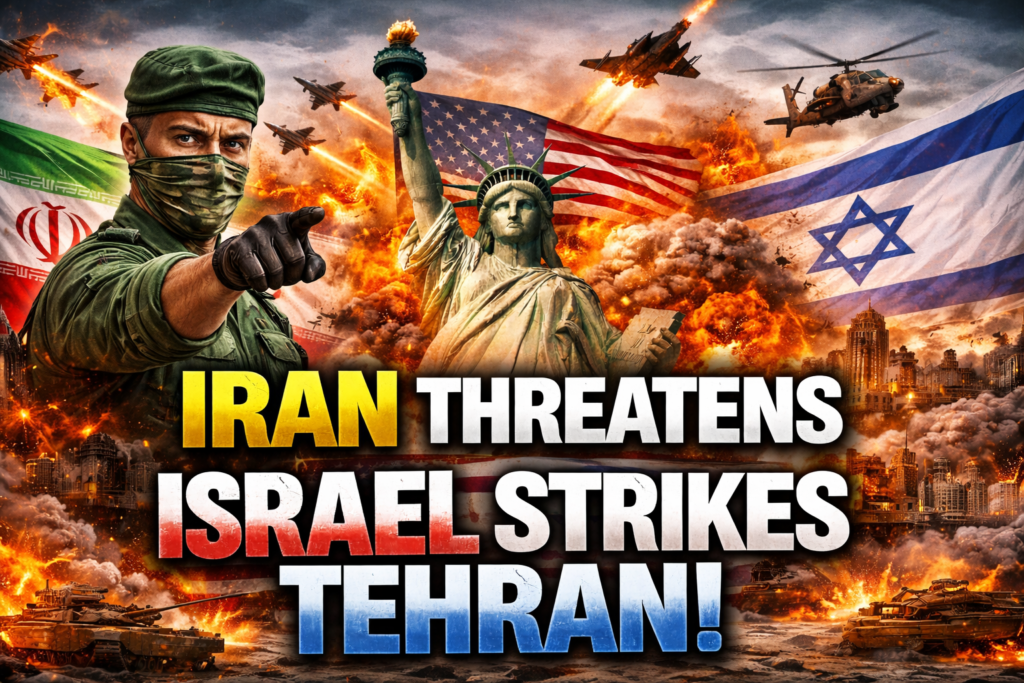
Tensions in the Middle East have reached unprecedented levels as the Iranian Revolutionary Guard Corps (IRGC) issued stark warnings today, Tuesday, threatening to target all regional economic centers if Iran’s primary installations are attacked. The escalating rhetoric follows coordinated airstrikes by Israel and the United States on Tehran, signaling a potential intensification of conflict in the region.
Revolutionary Guard Issues Dire Warnings
Ali Mohammad Naeini, spokesperson for the IRGC, addressed the media in a statement carried by Iranian state television: “The enemy must expect ongoing punitive attacks. The gates of hell will open more and more, moment by moment, on the United States and Israel.”
The statement came after the IRGC indicated its intention to launch intensified retaliatory strikes, suggesting that any attack on Iran’s core facilities could trigger a broad campaign targeting key economic hubs throughout the Middle East.
Analysts warn that this marks a significant escalation, with Tehran positioning itself for a wide-reaching response beyond traditional military targets, potentially affecting shipping routes, oil infrastructure, and regional financial centers.
Israel’s Retaliatory Operations
Simultaneously, Israeli Prime Minister Benjamin Netanyahu reiterated the nation’s resolve to strike Iran decisively. In a televised address alongside Foreign Minister Yisrael Katz and Chief of Staff Eyal Zamir, Netanyahu declared:
“We continue to strike Iran with force. Our pilots are operating over Iranian skies, including Tehran, and over Lebanese airspace as well.”
The statements underscore Israel’s commitment to preemptive and sustained military pressure, particularly in response to Iran’s missile and drone capabilities that have posed an increasing threat to Israeli and allied forces in the region.
U.S. Military Action in Iran
In parallel, the United States Central Command confirmed that American forces have targeted more than 1,700 objectives across Iran since the operations began on Saturday. These strikes included:
- Iranian naval vessels and submarines
- Anti-ship missile installations
- Command-and-control centers
Military analysts note that the breadth of these strikes reflects Washington’s strategy to degrade Iran’s operational capabilities while signaling an unwavering commitment to Israel and allied Gulf states.
Tehran’s Retaliation
In response, Tehran launched multiple missile and drone strikes targeting Israeli installations and U.S. bases across Gulf nations. Although the full extent of damage remains unverified, early reports indicate a combination of successful hits on strategic targets and defensive interception by allied systems.
This tit-for-tat escalation has raised concerns among international observers about the potential for wider regional conflict, with analysts warning that economic and civilian infrastructure could become collateral damage if hostilities persist.
Regional Implications
The current confrontations threaten to destabilize the broader Middle East region. Key implications include:
- Energy Markets: Iran’s potential targeting of shipping lanes and oil infrastructure could spike global oil prices and impact energy security.
- Economic Centers: Major cities and economic hubs may face increased vulnerability to missile strikes or cyber-attacks.
- Diplomatic Fallout: Countries in the Gulf Cooperation Council (GCC) and broader international community may be forced to choose sides, further complicating diplomatic relations.
Experts suggest that a combination of direct strikes, proxy engagements, and cyber warfare could define the conflict in the coming weeks, with both Israel and Iran leveraging asymmetric strategies to gain leverage.
Global Reaction
While direct U.S. involvement aims to deter escalation, the international community has expressed concern over civilian casualties and humanitarian crises. United Nations officials have called for immediate dialogue, urging all parties to de-escalate tensions and avoid further military confrontation.
China and Russia, long-time geopolitical players in the region, have issued statements emphasizing the need for restraint, highlighting the risk that sustained conflict could disrupt global trade, energy markets, and regional stability.
Looking Ahead
With hostilities ongoing, the coming days are likely to define the trajectory of this regional crisis. Military analysts stress that both Israel and Iran have demonstrated readiness for continued operations, while the United States has committed significant resources to support its allies and deter further Iranian escalation.
The situation remains fluid, with rapid developments possible. Key factors to monitor include:
- Expansion of military operations beyond Tehran and select targets
- Iran’s potential targeting of economic hubs in the Gulf and regional shipping lanes
- Escalation into a wider regional or international conflict
- Diplomatic interventions by major powers to broker ceasefire or negotiations
Conclusion
The Middle East stands on the precipice of a major confrontation as Iran, Israel, and the United States exchange military and rhetorical blows. The IRGC’s threat to target economic centers, Israel’s retaliatory airstrikes, and U.S. involvement illustrate a rapidly intensifying conflict with potential global repercussions. Analysts emphasize that the next 48 to 72 hours could be critical in determining whether this escalation can be contained or spirals into a broader war.