
Introduction
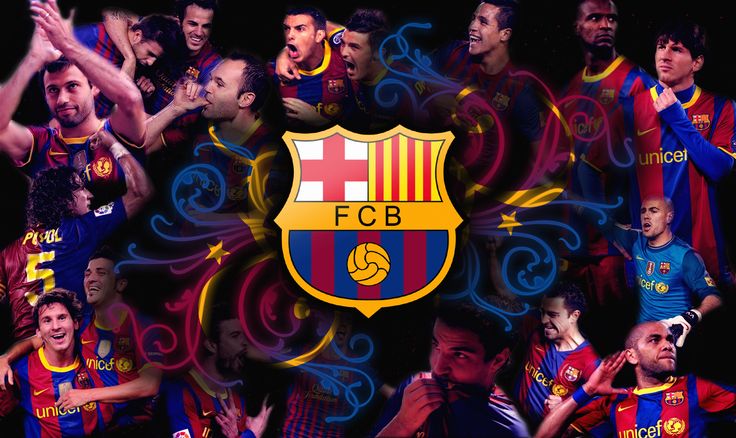
FC Barcelona, commonly known as Barcelona or Barça, is one of the most iconic football clubs in the world. Founded on strong values, a unique playing philosophy, and deep cultural identity, Barcelona represents far more than just a football team. The club’s famous motto, “Més que un club” (More than a club), perfectly reflects its historical and social significance.
Foundation and Early History
FC Barcelona was founded in 1899 by Joan Gamper, a Swiss football enthusiast who wanted to introduce organized football to the city of Barcelona. From the beginning, the club became closely associated with Catalan identity, culture, and pride.
Barcelona quickly grew into a competitive force in Spanish football and established itself as one of the founding members of La Liga in 1929.
Camp Nou: A Legendary Stadium
Barcelona plays its home matches at Camp Nou, the largest football stadium in Europe. Opened in 1957, Camp Nou has hosted historic matches, unforgettable goals, and generations of football legends.
The stadium is more than a venue; it is a symbol of the club’s global influence and massive fan base.
Playing Philosophy: Tiki-Taka and Positional Football
Barcelona is world-famous for its distinctive playing style based on:
- Short passing
- Ball possession
- High pressing
- Positional discipline
This philosophy reached its peak with the tiki-taka system, heavily influenced by Johan Cruyff, who transformed the club both as a player and later as a coach.
La Masia: The Heart of Barcelona
La Masia, Barcelona’s youth academy, is one of the greatest football academies in history. It has produced legendary players such as:
- Lionel Messi
- Xavi Hernández
- Andrés Iniesta
- Sergio Busquets
- Gerard Piqué
La Masia represents the club’s commitment to developing talent rather than relying solely on expensive transfers.
Golden Eras of FC Barcelona
Johan Cruyff Era
As manager, Cruyff laid the foundation of modern Barcelona, introducing a clear football identity that still defines the club today.
Pep Guardiola Era
Between 2008 and 2012, Barcelona experienced one of the greatest periods in football history under Pep Guardiola. The team won:
- Multiple La Liga titles
- Two UEFA Champions League trophies
- The historic sextuple in 2009
This era is widely considered the peak of possession-based football.
Legendary Players
Throughout its history, FC Barcelona has been home to many football legends, including:
- Lionel Messi
- Ronaldinho
- Johan Cruyff
- Rivaldo
- Neymar Jr.
Among them, Lionel Messi stands as the club’s greatest player, holding records for goals, assists, and appearances.
Rivalries
El Clásico
Barcelona’s rivalry with Real Madrid, known as El Clásico, is one of the biggest sporting rivalries in the world. The rivalry goes beyond football, reflecting historical, political, and cultural tensions.
Achievements and Trophies
FC Barcelona is one of the most successful clubs in football history, winning:
- Numerous La Liga titles
- Multiple Copa del Rey trophies
- UEFA Champions League titles
- Domestic and international super cups
Barcelona is also one of the few clubs to win the continental treble more than once.
Global Fan Base and Influence
Barcelona has millions of supporters worldwide. Its influence extends beyond football through:
- Global academies
- Social initiatives
- A strong digital and media presence
The club is owned by its members (socios), making it unique among elite football clubs.
Challenges and Modern Era
In recent years, Barcelona has faced financial difficulties and transitional challenges. Despite this, the club continues to rebuild while maintaining its identity, focusing on youth development and long-term sustainability.
Conclusion
FC Barcelona is not just a football club; it is a symbol of philosophy, culture, and football excellence. Through its history, style of play, and legendary players, Barcelona has earned a permanent place among the giants of world football.