

1. Introduction: More Than a Club, a Football Empire
Bayern Munich is not simply a football club; it is a global institution, a symbol of excellence, discipline, and relentless ambition. For over a century, Bayern Munich has stood at the center of German football and among the elite forces of European sport. Its dominance is not accidental, nor temporary. It is the result of vision, culture, leadership, and an unwavering commitment to winning.
From domestic supremacy in the Bundesliga to continental triumphs in the UEFA Champions League, Bayern Munich represents continuity in success. The club embodies professionalism at every level — from youth development to boardroom strategy — creating a model that many clubs admire but few can replicate.
2. Origins and Early Identity: The Birth of a Giant
Founded in 1900 in Munich, Bayern began as a modest sporting association created by a group of young enthusiasts who believed in the power of football as a unifying force. In its early years, Bayern faced structural challenges, financial limitations, and competition from more established clubs.
The turning point came gradually as Bayern developed its identity based on discipline, tactical intelligence, and competitive spirit. By the mid-20th century, the club had already positioned itself as a rising power in German football. Its admission to the newly formed Bundesliga in 1965 marked the beginning of a new era — one that would transform Bayern into a national and international force.
3. Domestic Dominance: Masters of the Bundesliga
No club has dominated German football like Bayern Munich. With a record number of Bundesliga titles, Bayern established an era of near-continuous supremacy. Season after season, the club built teams capable of sustaining excellence, avoiding cycles of decline that affected many rivals.
Bayern’s dominance is rooted in:
- Strategic recruitment
- Youth development
- Financial stability
- Tactical continuity
- Strong leadership culture
Unlike clubs dependent on short-term success, Bayern invested in long-term structures. Its philosophy was not to chase trophies, but to build systems that naturally produce them. This consistency allowed Bayern to maintain control over German football for decades, shaping the Bundesliga itself.
4. European Ambition: Conquering the Continental Stage
Bayern Munich’s reputation extends far beyond Germany. In European competition, the club established itself as one of the most formidable forces in history. With multiple UEFA Champions League titles, Bayern proved capable of defeating the strongest teams across generations.
From the legendary 1970s era with consecutive European Cups to modern triumphs in 2001, 2013, and 2020, Bayern consistently adapted to football’s evolution while preserving its winning mentality.
The 2020 treble season, in particular, represented perfection:
- Bundesliga champion
- DFB-Pokal winner
- Champions League winner
That campaign showcased tactical dominance, mental strength, and collective unity — a reminder that Bayern is at its best when discipline meets creativity.
5. Legendary Players Who Built the Legacy
Bayern Munich’s history is inseparable from its legends. Each era produced icons who shaped the club’s identity and global image.
Names such as:
- Franz Beckenbauer
- Gerd Müller
- Karl-Heinz Rummenigge
- Lothar Matthäus
- Philipp Lahm
- Bastian Schweinsteiger
- Arjen Robben
- Franck Ribéry
- Manuel Neuer
- Thomas Müller
These players were not just stars; they were leaders, symbols of discipline and loyalty. Many spent most of their careers at Bayern, reinforcing a culture where success and identity coexist.
Bayern’s ability to retain legends and transform them into ambassadors, executives, or coaches reflects a club deeply connected to its history.
6. Tactical Philosophy and Coaching Excellence
Bayern Munich’s football philosophy has evolved continuously, yet always remained grounded in structure, intensity, and intelligence. From classical German efficiency to modern positional play, Bayern adapted to every tactical era.
The club has been led by some of the world’s finest coaches:
- Udo Lattek
- Ottmar Hitzfeld
- Louis van Gaal
- Jupp Heynckes
- Pep Guardiola
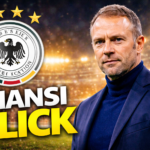
- Hansi Flick
Each manager added layers to Bayern’s identity. Guardiola introduced positional dominance and ball control. Heynckes mastered balance and collective harmony. Flick unleashed high-pressing, vertical football that overwhelmed Europe.
Bayern’s success is not about rigid systems but intelligent adaptation — understanding when to control, when to press, and when to trust individual brilliance.
7. Youth Development and Institutional Stability
One of Bayern’s greatest strengths lies off the pitch. The club built one of Europe’s most efficient football institutions, combining financial discipline with long-term planning.
The FC Bayern Campus represents the future — a state-of-the-art academy designed to produce elite players and protect the club’s identity. Bayern values development as much as recruitment, ensuring that local talent continues to shape the first team.
Equally important is Bayern’s governance model. Former players frequently assume executive roles, preserving continuity between sporting and administrative visions. This internal culture of responsibility and stability separates Bayern from clubs driven by external investors or volatile ownership.
8. Allianz Arena: The Fortress of Modern Football
The Allianz Arena stands as one of football’s architectural masterpieces. Opened in 2005, it quickly became a symbol of Bayern’s modern era. Its illuminated exterior, advanced facilities, and electric atmosphere transformed matchdays into global spectacles.
Beyond design, the stadium represents Bayern’s economic and sporting power. It generates revenue, attracts international fans, and provides a home worthy of a European giant. The Allianz Arena is not just a venue; it is an extension of Bayern’s identity.
9. Rivalries and Competitive Culture
Bayern Munich’s dominance naturally created rivalries that shaped German football. The most historic include:
- Borussia Dortmund
- Borussia Mönchengladbach
- Hamburger SV
These rivalries fueled competition, drama, and evolution. Bayern often became the standard others tried to reach, raising the overall quality of the Bundesliga.
Unlike many rivalries driven by hostility, Bayern’s approach remains professional. The club competes fiercely, but with discipline and respect — reinforcing its image as football’s ultimate institution rather than a reactive competitor.
10. Global Influence and Brand Power
Today, Bayern Munich is a global brand with millions of supporters worldwide. Its presence spans continents, academies, sponsorship networks, and media platforms. The club represents:
- German efficiency
- Sporting credibility
- Cultural respect
- Institutional professionalism
Bayern’s international tours, partnerships, and digital platforms extend its influence far beyond Europe. Yet, despite global growth, the club remains rooted in its Bavarian heritage — balancing tradition and innovation with rare harmony.
11. Human Values and Cultural Identity
Behind trophies and dominance lies a deeply human club. Bayern Munich emphasizes:
- Loyalty
- Respect
- Responsibility
- Community engagement
The club actively supports social causes, youth education, and humanitarian projects. Former players remain involved, strengthening generational continuity.
This human dimension explains Bayern’s emotional connection with fans. Supporters do not follow Bayern only for victories, but for values — discipline, dignity, and pride.
12. Modern Challenges and Strategic Evolution
Modern football presents new challenges:
- Financial competition
- Player market inflation
- Tactical globalization
- Digital transformation
Bayern responded with intelligent modernization rather than reckless spending. The club focuses on sustainability, elite scouting, sports science, and leadership continuity.
Rather than chasing trends, Bayern defines its own model — competitive, ethical, and structurally resilient.
13. Future Vision: Sustaining a Dynasty
Bayern Munich’s future is built on controlled ambition. The club seeks not only trophies, but relevance, stability, and identity preservation.
With young talents emerging, experienced leaders guiding, and institutional clarity, Bayern remains positioned to dominate both domestically and internationally for decades.
The objective is not short-term glory, but perpetual excellence.
Conclusion: The Eternal Power of Bayern Munich
Bayern Munich is not simply successful — it is sustainable greatness. A club that mastered the art of winning without losing its soul. Its history tells a story of vision, discipline, leadership, and humanity.
From Munich to the world, Bayern stands as proof that football excellence is not created overnight. It is built patiently, defended fiercely, and passed carefully from one generation to the next.
Bayern Munich is not chasing history.
It is writing it.